Full Medical Lighting Solutions for Every Healthcare Facility2
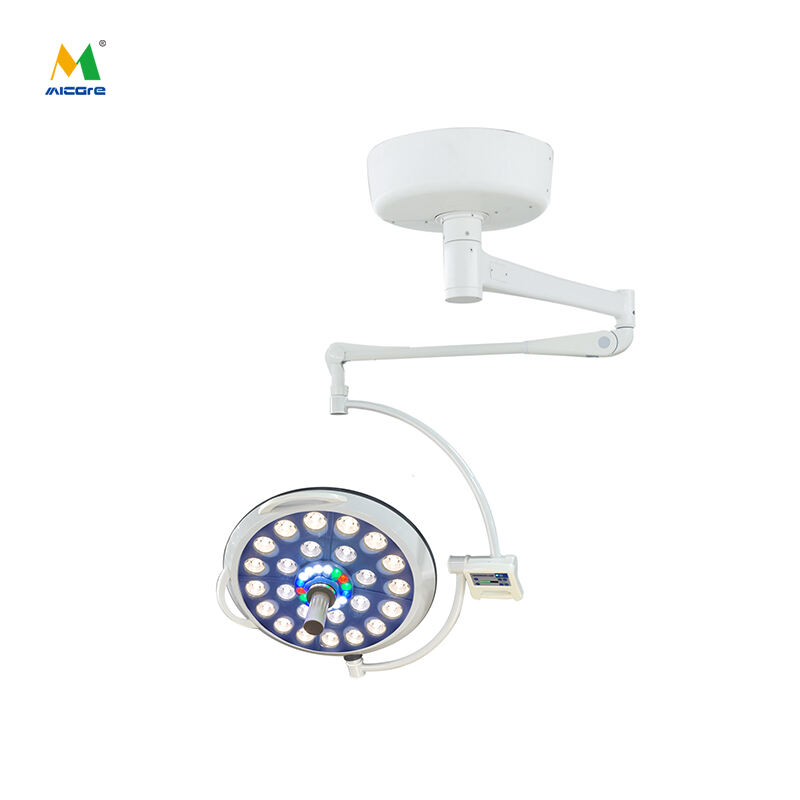
Every healthcare facility, from large hospitals to small clinics, needs the right Medical examination lights to keep patients safe and help medical staff work effectively. Micare understands this and offers many different types of lights designed for each area. In an operating room, for instance, lights must be bright and adjustable, allowing surgeons to see every detail while performing procedures. These lights can be moved and focused on specific areas, giving doctors the best view possible.
In outpatient wards, where patients come for check-ups or treatments, softer lighting is often preferred to create a calming atmosphere. Micare provides lights that can be dimmed to make patients feel more comfortable. Examination rooms also require special lighting. Here, doctors need bright lights to examine patients closely and check for any health issues. Good lighting can help in spotting problems that may be hard to see.
Endoscopy centers have unique lighting needs too. During these procedures, doctors use cameras to look inside the body, so the lighting must be very precise. Micare offers specialized lights that help make these procedures safe and effective. Each type of room has its own lighting needs, and Micare is there to provide the right solutions for every situation, ensuring that healthcare providers have what they need to care for their patients well.
What Are the Benefits of Advanced Medical Lighting in Operating Rooms
Advanced medical lighting in operating rooms has many benefits that are important for successful surgeries. First, it helps surgeons see everything clearly. During an operation, even the tiniest detail matters. With bright and adjustable lights from Micare, doctors can focus on specific areas, reducing the chance of mistakes. This is crucial when performing delicate procedures that require a lot of precision.
Another benefit is that advanced lighting can reduce shadows. Shadows can hide important details, making it harder for surgeons to see what they are doing. Micare’s lighting solutions are designed to minimize shadows, giving doctors a clearer view of the surgical field. This can lead to better outcomes for patients.
Moreover, modern lighting technology can also reduce eye strain for the medical staff. When doctors have to look closely for a long time, bright lights can be uncomfortable. Micare’s lights are designed to be bright without causing glare. This helps doctors stay focused and comfortable throughout the surgery.
Lastly, having the right lighting can improve teamwork in the operating room. When everyone can see well, communication becomes easier, which is vital during a surgery. With Micare’s lighting solutions, the entire team can work together more effectively, ensuring that the surgery goes as smoothly as possible. Advanced lighting is not just about brightness; it plays a key role in the overall success of medical procedures.
How to Choose the Best Medical Lighting for Outpatient Wards
Choosing the right medical examination light for outpatient wards is very important. Outpatient wards are places where patients go for check-ups or treatments but do not stay overnight. Good lighting helps doctors see clearly while they work and makes patients feel comfortable. When looking for lights, first think about brightness. The lights should be bright enough to help doctors see what they are doing, but not so bright that they hurt the patients' eyes. You can use special lights that can be adjusted. This way, doctors can make the lights brighter or dimmer depending on what they need. Another thing to consider is the color of the light. Lights that are too yellow or too blue can make it hard to see. The best lights are white, like sunlight, because they help everyone see colors better.
Next, think about the type of lights. There are many kinds, like LED lights or fluorescent lights. LED lights are very popular because they last a long time and use less energy. This means they are better for the environment and can save money in the long run. You should also think about where to place the lights. They should be placed where doctors and nurses do most of their work, like over examination tables. Finally, make sure the lights are easy to clean. Hospitals need to be very clean to keep everyone safe from germs. Lights that are smooth and do not have many cracks or holes are easier to clean. At Micare, we offer many options for medical lighting that fit all these needs.
How to Avoid Common Mistakes in Medical Lighting Choices
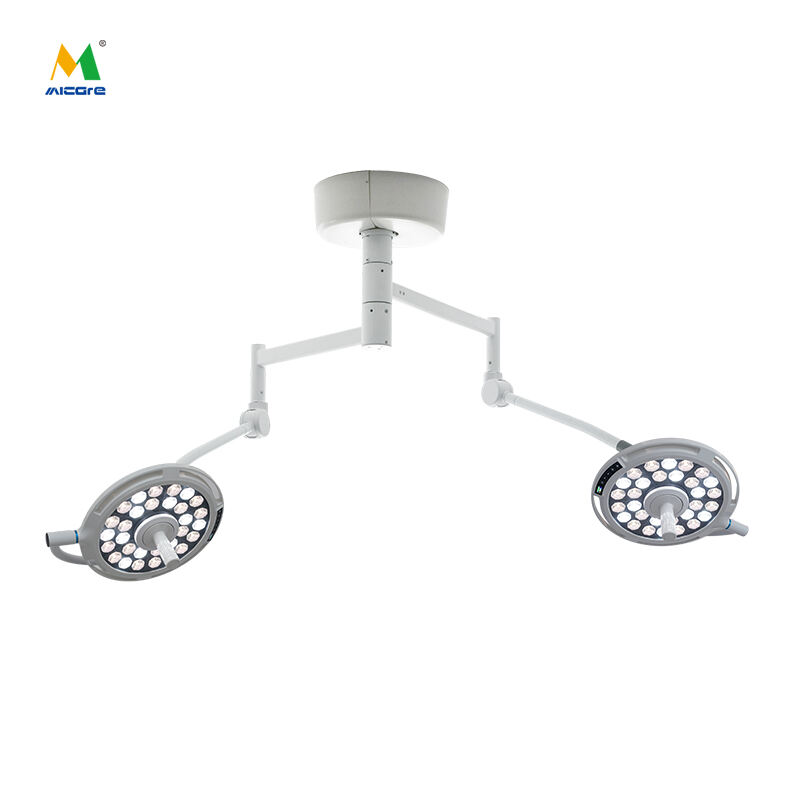
Choosing the wrong medical lighting can cause big problems in healthcare facilities. One common mistake is picking lights that are too bright or too dim. If the lights are too bright, they can make it hard for doctors to focus. If they are too dim, doctors might miss important details. To avoid this mistake, always test the lights in the space before making a final choice. Another mistake is not considering how the light affects patients. Some lights can make patients feel anxious or uncomfortable. To avoid this, choose lights that are soft and warm, making the room feel welcoming.
Another mistake is ignoring energy efficiency. Some lights use a lot of energy, which can increase electricity bills. This is not good for the hospital budget. Always look for energy-saving options like LED lights. They may cost a little more at first, but they save money over time. Lastly, hospitals should avoid using too many different kinds of lights in one area. Having too many different colors and types can be confusing and distracting. It’s best to stick with one or two types of lights that work well together. At Micare, we help you avoid these mistakes by offering a wide range of lighting options that are designed specifically for healthcare settings.
How to Optimize Your Healthcare Facility with Effective Lighting Solutions
Optimizing your healthcare facility with effective medical examination light is essential for both patients and staff. Good lighting can make a big difference in how people feel and work. Start by making sure that all areas of the facility have enough light. Waiting areas, treatment rooms, and hallways should all be well lit. This not only helps people see better but also makes the space feel more inviting. Using a mix of ambient, task, and accent lighting is a great way to achieve this. Ambient lighting fills the room with light, task lighting focuses on specific areas, and accent lighting highlights important features.
Another way to optimize lighting is to make sure it is adjustable. In areas like examination rooms, doctors may need bright light for close-up work. In contrast, waiting areas may benefit from softer light to help patients relax. Adjustable lighting allows for flexibility, making it easier to create the right mood for each situation.
It is also essential to think about the color temperature of the lighting. Warmer colors can create a soothing environment, while cooler colors can help keep staff alert and focused. At Micare, we understand the importance of finding the right balance for every space in your healthcare facility. Lastly, regular maintenance is key to effective lighting. Burnt-out bulbs or dirty fixtures can reduce light quality and make spaces feel unwelcoming. By regularly checking and maintaining your lighting system, you can ensure that your healthcare facility remains a safe and inviting place for everyone.